Waking up to standing water in your bathroom basin can ruin your whole morning. A stubborn drain turns a fast rinse into a messy chore. You might want to grab a harsh chemical bottle right away. Don’t do it. Harsh cleaners can destroy your plumbing and burn your skin. You can clear almost any blocked line on your own today. All you need are basic household tools and straightforward manual methods. Let us get your pipes running freely again right now.
Understanding the True Mechanics of a Stubborn Drain
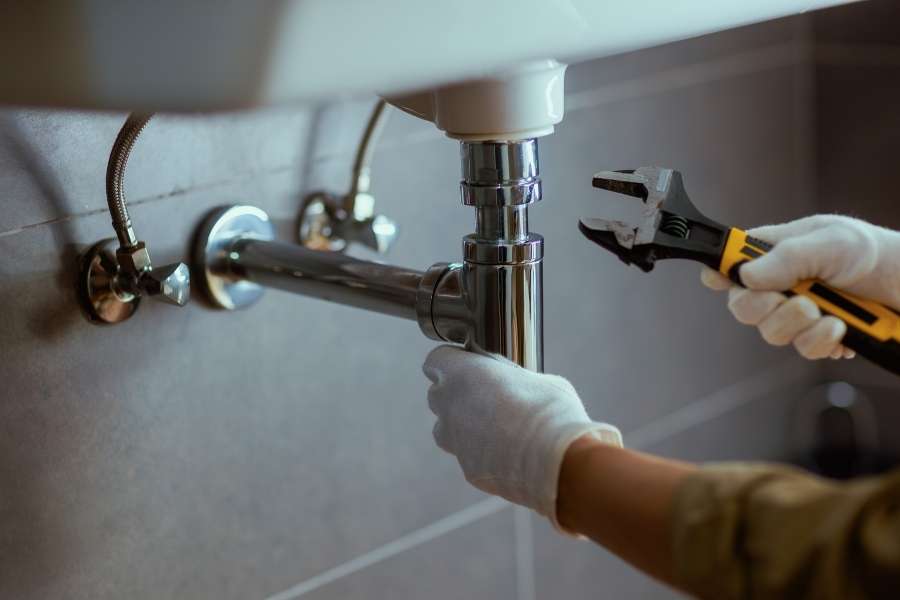
Before you start working, look closely at where clogs actually form. Most interior stoppages settle inside the curved pipe sitting under the fixture. Plumbers call this section the P-trap. It holds standing water to block hazardous sewer smells from rising into your rooms. Yet that same dip catches heavy debris as dirty water passes through daily. Over time, that caught material builds into an impassable wall. In cold seasons, seasonal plumbing challenges like freezing temperatures can make blockages even worse. You can learn how to prevent frozen pipes during winter to protect your whole drainage line from severe structural damage.
Bathroom basins and kitchen counters deal with very different daily waste. Bathroom lines choke on tangled hair strands, shaving foam, and sticky toothpaste. Kitchen pipes battle solidified animal grease and trapped food particles. Treating every line the same way wastes your energy and time. Diagnosing what sits inside directs your efforts straight to the real problem.
Look for these everyday signs before a pipe stops working completely:
- Water empties slowly and circles the basin without power.
- The opening emits foul, musty smells after you run the tap.
- Gurgling sounds rumble through nearby walls during draining.
- Liquid backs up into adjacent fixtures when appliances run.
Ignoring early warning signs turns a mild slow patch into an absolute blockage. Catching the issue early saves you time and protects your home.
How Household Blockages Develop Inside Plumbing Walls
Pipes do not clog up in a single afternoon without warning. Mineral scale from hard municipal water coats the metal or plastic interior first. These minerals form a coarse surface that snags loose floating strands. Then sticky personal soap scum clings to the textured walls. That sticky layer catches everything else sliding past it.
Soon enough, normal water flow slows down to an irritating crawl. The opening gets tighter every single week. A minor cluster turns into an immovable barrier without regular cleaning. Understanding this gradual build helps you tackle the obstruction with proper tools.
How to Unclog a Bathroom Sink Without Chemicals
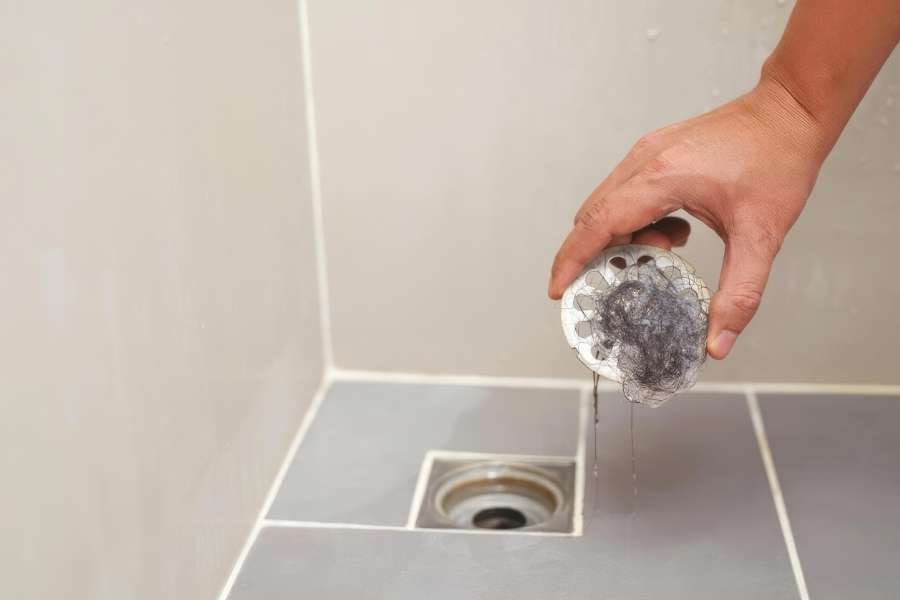
Bathroom lines stop moving when hair wraps tightly around mechanical hardware. Searching for how to unclog a bathroom sink without chemicals brings up many safe mechanical tricks. Taking apart the stopper solves most bathroom backups right at the source. The pivot assembly inside the pipe acts like a natural comb for loose hair. Removing it gives you open access to the nastiest blockages. Upgrading your fixtures with advanced plumbing solutions for better efficiency can also help prevent continuous waste buildup throughout your home.
Clear out all items from under your cabinet before you touch any hardware. Set a bucket and old rags beneath the pipe joints. Reach behind the vertical tailpiece to locate the small horizontal pivot rod. Loosen the retaining nut holding this rod in place with your fingers. Pull the rod backward to free the internal stopper hook.
Now lift the stopper straight up out of the basin. You will likely pull out a slimy knot of tangled hair. Scrape the hair into your trash bucket immediately using paper towels. Scrub the plastic stopper clean using hot water and dish soap. Inspect the open pipe below using a bright flashlight.
Follow these direct steps to clean out your stopper assembly:
- Place a sturdy bucket directly under the curved trap joints.
- Unscrew the pivot nut located at the rear tailpiece.
- Pull the horizontal metal rod out of the pipe fitting.
- Lift the stopper out from inside the basin opening.
- Pull out visible hair mats using needle-nose pliers.
Once you clear out the grime, slide the clean stopper back inside. Push the pivot rod through the bottom hook to lock it down. Hand-tighten the retaining nut without cracking the plastic threads. Run warm tap water for two minutes to test the seal. Watch the pipe underneath closely to make sure no leaks appear.
Best Home Remedies for Slow Running Drains
When water drains slowly without backing up completely, gentle remedies work wonders. Searching for the best home remedies for slow running drains reveals many great pantry tricks. Warm liquids mixed with common household items dissolve soft organic matter smoothly. These gentle flushes avoid damaging your plumbing and protect the environment. They dissolve fresh soap scum and loose paste deposits without stress.
Start by boiling a full kettle of fresh tap water on your stove. Pour half a cup of liquid dish soap directly down the drain. Let the slick soap slide down the pipe walls for five minutes. The soap breaks up oils and loosens sticky films. Then pour the boiling water straight down the middle in one smooth stream.
Never pour boiling water directly into cold porcelain basins or onto thin plastic pipes. Sudden extreme temperature shifts can crack ceramic surfaces instantly. Water above 140 degrees can also soften thin plastic joints. For plastic plumbing, stick to hot tap water heated to safe levels instead. That simple safety habit protects your plumbing system from sudden leaks.
Try this simple baking soda and vinegar treatment for persistent sludge:
- Pour one full cup of dry baking soda into the pipe.
- Push the white powder down using a wooden spoon handle.
- Pour one cup of warm distilled vinegar down the hole.
- Seal the opening fast using a flat rubber plug.
- Let the fizzing reaction sit undisturbed for thirty minutes.
The bubbling carbon dioxide loosens stubborn crud sticking along the pipe perimeter. After thirty minutes, flush the entire line using two quarts of hot water. The loosened sludge washes away into the main sewer line easily. Your sink will smell fresh and water will move briskly again.
Why Natural Mixtures Beat Toxic Bottle Cleaners
Caustic cleaners sold in supermarkets rely on harsh sulfuric acid or lye. These chemical compounds generate high heat inside blocked pipes. That intense heat can soften plastic joints and corrode older metal lines. The chemicals sit in the standing water when they fail to clear a clog.
That stagnant chemical pool makes physical repairs dangerous for anyone working there later. Caustic splashes can burn skin and eyes in a split second. Natural ingredients like vinegar and soda provide safe, steady cleaning power without risk. You protect your health and your plumbing pipes at the same time.
Deploying a Plunger for Immediate Physical Suction
A reliable plunger remains your best physical weapon against complete pipe blockages. Most homeowners only use plungers on toilets, but flat cup models clear sinks fast. This basic tool uses water power to smash packed dirt apart. Water does not compress under force, making it an exceptional clearing medium. A few firm strokes will push obstructions straight down the line.
Seal off any overflow openings before you start pumping the handle. Bathroom sinks feature an overflow hole near the upper rim. Tape this hole shut using durable waterproof duct tape. Double kitchen basins require blocking the opposite opening with a damp rag. If you skip this, your downward pressure vents uselessly into the room.
Cover the drain opening completely using your flat rubber plunger cup. Fill the basin with enough warm water to cover the rubber base. Tip the cup slightly to let trapped air escape before sealing it down. Push the wooden handle down and pull it up in steady rhythms. Keep the rubber rim planted firmly against the basin floor.
Keep these practical rules in mind for the best plunging results:
- Use a flat-bottomed cup model rather than a flanged toilet model.
- Keep the rubber bell submerged under two inches of water.
- Seal all overflow passages tightly to keep air pressure inside.
- Pump up and down with equal strength to rock the clog free.
Pump the handle ten to fifteen times before breaking the suction seal. The upward pull tugs the blockage backward, breaking its grip on pipe walls. Pop the cup off the drain hole on your last upward stroke. If water rushes downward with a loud swirl, the obstruction has cleared. Run hot water for two minutes to sweep away remaining debris.
How to Use a Plumbing Snake Safely
When plungers fail to clear a stubborn drain, you need a mechanical wire tool. Learning how to use a plumbing snake safely lets you tackle deep household clogs. A plumbing auger uses a long coiled steel cable that turns through sharp bends. The metal tip hooks into dense blockages and pulls them out directly. It cuts through packed debris that hot water cannot touch.
Buy an inexpensive hand-crank auger with a quarter-inch cable at your local hardware store. Put on thick leather work gloves and protective eye goggles first. Slide the metal cable into the opening by hand until you feel firm resistance. Do not force the wire forward blindly if it stops abruptly. You might just be hitting an ordinary pipe bend.
Turn the drum crank clockwise while pushing forward with gentle pressure. The metal tip will guide itself smoothly around the curving elbow. When the wire hits a dense, soft mass, you have found the blockage. Stop pushing forward and spin the crank handle steadily clockwise. The metal corkscrew end will bore deep into the tangled material.
Protect yourself and your home by following these safety practices:
- Put on heavy leather gloves to shield hands from sharp cable pinches.
- Never yank or ram the steel wire when it feels jammed.
- Keep rotating the handle clockwise while feeding and pulling back.
- Hold the exposed wire close to the opening to prevent looping.
- Wipe the retrieved metal cable clean using an oily rag afterward.
Keep rotating clockwise as you slowly reel the cable out of the pipe. Reversing your rotation will drop the caught mass back inside the dark line. Pull the tangled hair or debris straight into an open trash bucket. Wipe the greasy wire clean as it feeds back into the storage drum. Run hot tap water immediately to clear out any leftover debris.
Why Your Kitchen Sink Keeps Getting Clogged
Kitchen pipes handle messy grease and food leftovers every single day. Wondering why your kitchen sink keeps getting clogged points straight to common mealtime prep habits. People often pour warm cooking fat down the drain without second thoughts. The hot liquid cools inside the dark underground pipes quickly. It congeals into a thick coating that catches passing food particles.
A residential garbage disposal cannot chew up every kind of food waste safely. Starchy foods like potato skins, pasta, and white rice swell with water inside pipes. They form thick, gummy pastes that jam blades and stop water movement. Fibrous celery stalks and corn husks wrap around spinning parts, stalling the motor entirely. Even fine coffee grounds settle like wet concrete inside horizontal pipe runs.
Adopt these smart kitchen routines to protect your plumbing every day:
- Pour used cooking oil and bacon grease into metal cans for the trash.
- Scrape leftover food into the trash can before washing plates in the sink.
- Run cold water for thirty seconds whenever you use the disposal unit.
- Keep expandable rice, pasta, and fibrous peels out of your kitchen sink.
- Place a fine-mesh steel strainer over the opening to catch food scraps.
If water still backs up, check the cleanout plug on your kitchen branch pipe. Food waste often travels past the under-sink trap into long horizontal wall pipes. Unscrewing the cleanout plug gives you direct access for your auger cable. Put a wide bucket underneath before opening the plug to catch dirty wastewater. Clearing this horizontal run stops large fat deposits from forming over time.
Removing and Cleaning the P-Trap Manually
When plungers and snakes cannot budge a stubborn drain, take off the P-trap directly. The curved P-trap sits under the sink, holding heavy fallen items safely. Lost rings, small bottle caps, and thick grit drop straight to the bottom curve. Removing this pipe piece lets you clean the line completely with your hands. It takes fifteen minutes, simple tools, and basic care.
Take everything out from your under-sink vanity cabinet to give yourself room. Place a bucket and old bath towels directly beneath the lowest pipe curve. The trap holds about two cups of murky water that spills when loosened. Put on waterproof rubber gloves and grab slip-joint pliers if the nuts feel tight. Most modern plastic drain nuts loosen easily by hand without tools.
Follow these simple steps to take apart your P-trap cleanly:
- Position your bucket straight beneath the curved pipe joint.
- Loosen the front slip nut connecting the trap to the sink tailpiece.
- Loosen the rear slip nut connecting the bend to the wall arm.
- Drop the curved pipe down, dumping dirty water into your bucket.
- Scrub the interior bend using an old brush and warm soapy water.
- Check the rubber washers for cracks, splits, or hard spots.
- Line up the pipe sections and hand-tighten the plastic nuts firmly.
Examine the soft rubber washers closely before putting the clean trap back together. Brittle, cracked, or stretched washers will leak as soon as water runs. Buy cheap replacement washers at the hardware store if your old ones look worn. Slide the clean pipe into position and tighten the nuts firmly by hand. Run the tap on full blast to check for drips underneath.
Protecting Your Residential Plumbing System Long-Term
Keeping your plumbing lines moving freely requires consistent, smart daily care habits. Treating your pipes like a garbage can invites clogs, pipe damage, and costly bills. Put fine wire-mesh strainers over all your bathroom and shower drains today. Clean these little mesh cups weekly to keep hair and lint out of your pipes. Consistent basic care keeps your plumbing working smoothly year after year.
Flush every fixture monthly with boiling water and baking soda to clear scum. That quick habit dissolves sticky films before they catch passing debris. Check under your sinks periodically for subtle water drops, green corrosion, or damp odors. Catching tiny leaks early stops wood rot and keeps your home in great shape. Caring for your pipes preserves your home and saves you money.
Frequently Asked Questions
How often should I clean my household drains to prevent blockages?
Flush your fixtures with hot water and baking soda once a month. This easy routine dissolves fresh grease and soap film before they build up. Clean out hair catchers and sink stoppers every week to keep lines moving smoothly.
Are commercial chemical drain cleaners safe for older metal pipes?
Commercial chemical cleaners can eat away at older metal plumbing pipes over time. The caustic liquids create high heat that accelerates corrosion in cast iron and copper. Stick to mechanical tools and natural home remedies to protect your plumbing.
Why does my sink make a loud gurgling noise when draining?
A loud gurgling noise means air is struggling to move through your plumbing system. A forming clog or a blocked roof vent restricts natural airflow inside the pipes. Clearing the pipe or removing roof debris fixes the airflow and stops the sound.