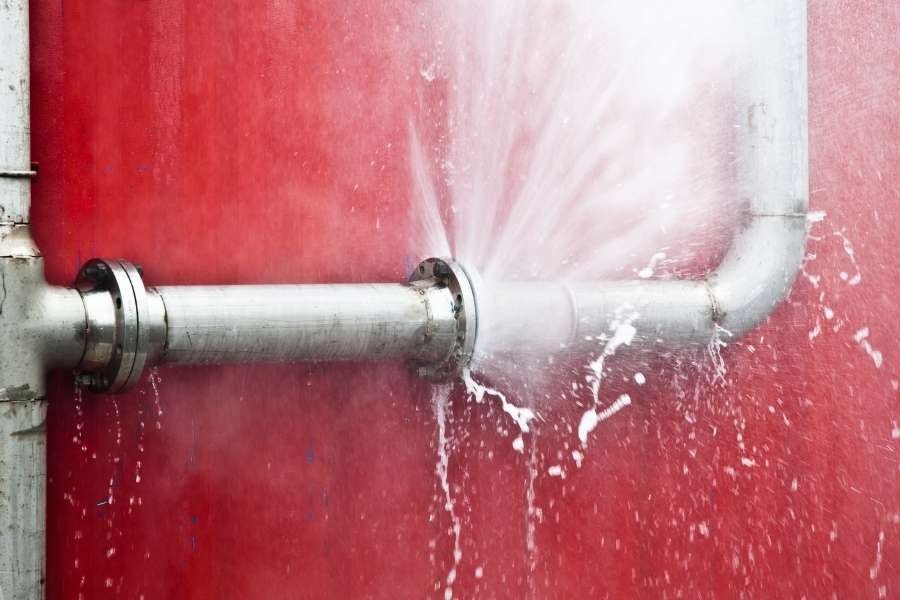
Sub-zero temperatures can turn your plumbing into a costly ticking time bomb overnight. Learning how to prevent frozen pipes is the ultimate key to avoiding massive indoor flooding and sudden repair bills. When water freezes, it expands with brutal force inside copper, PVC, and PEX supply lines. That pressure tears metal apart, leaving your home open to severe freeze damage when ice melts. Taking simple precautions now will safeguard your property all season long.
Master Your Thermostat Settings for Continuous Indoor Warmth
Keeping your home at a steady temperature night and day protects hidden indoor lines. Lowering your heat overnight might save a few dollars, but cold air can quickly freeze wall cavities. Steady warmth ensures heat reaches every hidden corner of your house. Your thermostat settings should never fall below 55 degrees Fahrenheit, even during long holiday trips. Ask a neighbor to check your house while you travel to confirm your furnace runs properly. Constant heat creates a reliable shield against sudden Arctic cold blasts. You can also explore modern plumbing technology upgrades to automate temperature monitoring and boost overall home efficiency during the winter months.
The Role of Air Circulation in Temperature Control
Unrestricted airflow keeps ambient heat moving freely through every single room in your house. Opening cabinet doors under sinks lets warm air reach hidden pipes. Keeping interior doors open spreads heat evenly into utility areas and keeps cold drafts away.
Safeguard Your Exterior Faucets and Outdoor Lines
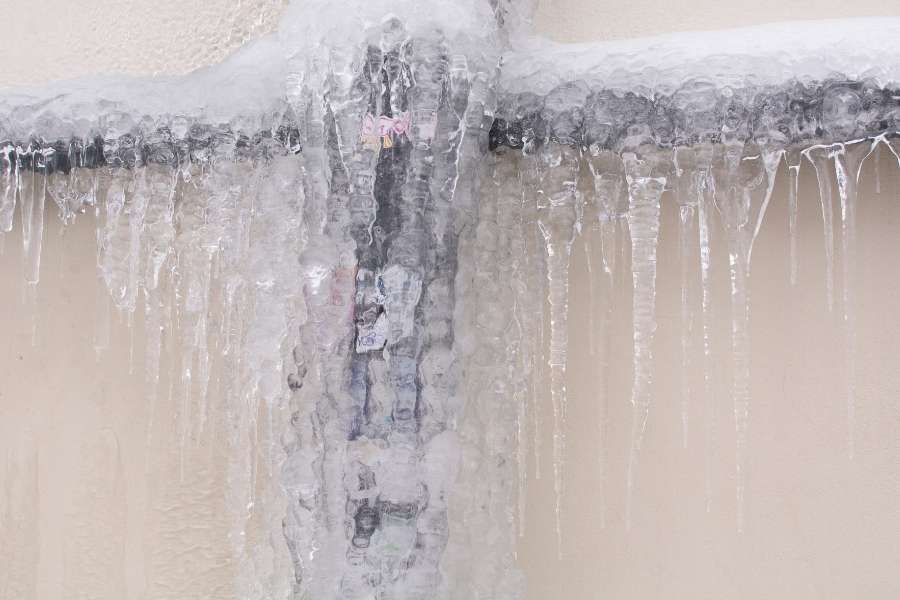
Outdoor plumbing fixtures suffer first because winter winds blow directly against exposed metal spigots. Leaving garden hoses attached traps water inside the line, which freezes backward toward interior walls. This common mistake causes thousands of ruptured indoor connections every winter. Disconnecting all garden hoses before the first freeze is a crucial step for every homeowner. Shut off the interior valve supplying your outdoor taps and drain remaining water completely. Learning how to protect outdoor pipes from freezing temperatures will save you money and protect your fixtures. Integrating innovative smart plumbing solutions allows you to monitor outdoor water valves remotely and maintain maximum system efficiency during winter weather.
Install High-Quality Pipe Insulation on Unprotected Plumbing
Uninsulated lines running through basements, attics, or garages need immediate physical protection against freezing air. Adding high-density foam or fiberglass covers creates a barrier that slows down heat loss. This budget-friendly weekend task pays off quickly by keeping lines safe and lowering energy costs.
Expert Tip: Fitting protective foam covers over uninsulated lines cuts the risk of winter bursts significantly.
Choose foam sleeves with self-sealing adhesive strips so you leave no bare spots along your lines. Push insulation tight against wall openings and wrap every single joint tightly using heavy-duty tape. Finding the best insulation materials for copper pipes helps you select polyethylene or fiberglass for maximum warmth.
Choosing Between Foam Sleeves and Thermal Wraps
Different areas of your home require specific protective materials depending on moisture levels and temperatures.
- Pre-slit Foam Sleeves: Best for long, straight runs in dry basements because they slide on quickly.
- Foil-Backed Thermal Wrap: Great for tight corners, odd valves, or damp spaces where rigid foam fails.
- Fiberglass Strip Insulation: Perfect for wrapping thick main lines that sit right next to cold outer walls.
Utilize Electric Heating Tape for High-Risk Plumbing Locations
Plumbing in unheated garages or drafty crawlspaces needs extra help beyond basic foam sleeves. In these cold spots, electric warming cables give you a continuous heat source that stops ice formation. Built-in sensors turn these cables on automatically whenever surrounding temperatures drop close to freezing.
Applying certified heating tape provides active, reliable defense along vulnerable runs in your plumbing layout. Always follow product guidelines closely so you avoid overlapping cables, which can cause dangerous hot spots. Using active heating elements helps you prevent frozen pipes during prolonged severe polar vortex events.
Let Faucets Drip During Severe Sub-Zero Cold Snaps
When outdoor temperatures drop into single digits, letting vulnerable faucets drip slowly keeps water moving. Moving liquid takes much longer to turn into solid ice than still water inside closed plumbing. Dripping also releases extreme pressure building up inside lines, avoiding structural tears.
Focus this dripping technique on faucets that rely on lines running along unheated outside walls. You only need a tiny, steady trickle about as thick as a pencil lead to release internal pressure. This effortless approach gives your entire home instant frost protection without buying specialized equipment or tools.
Seal Cold Air Leaks Near Wall-Mounted Plumbing
Freezing outdoor drafts blowing through small gaps act like icy darts aimed directly at your plumbing. Gaps around dryer vents, foundation cracks, and crawlspace doors let cold air hit vulnerable indoor lines. Sealing these hidden openings keeps ambient indoor heat inside where it belongs. Inspect your basement and crawlspace walls thoroughly using a bright flashlight to find cold drafts. Fill small cracks using silicone caulk, and use expanding spray foam for larger utility openings. Taking these smart steps to winterize your plumbing system stops freezing drafts from reaching your pipes.
Locate and Test Your Main Emergency Shut-Off Valve
Even carefully prepared homes can face sudden issues during severe winter weather conditions. Knowing where your main shut-off valve sits lets you stop incoming water before serious destruction happens. Closing that main valve quickly limits structural chaos if an uninsulated line ruptures unexpectedly. Make sure every adult living in your home knows how to operate this main valve during emergencies. Test the handle every autumn to ensure it turns smoothly without sticking or leaking. Taking action now helps you stop leaks fast, controlling severe freeze damage before it ruins your home.
Essential Steps for Pre-Winter Prep
Following a simple seasonal plan ensures you cover every vulnerable area before winter weather arrives.
- Check all exposed utility lines in cold rooms for small cracks or hidden leaks.
- Disconnect outdoor hoses, drain remaining water, and install insulated spigot covers.
- Wrap exposed lines using high-grade thermal wrap or thick foam sleeves.
- Verify your main emergency shut-off valve operates smoothly and remains easy to reach.
FAQ
How can I effectively prevent frozen pipes during a winter storm?
Set your thermostat to a steady temperature, open cabinet doors, and let faucets drip slowly.
What is the best way to insulate exposed indoor pipes?
Use pre-slit foam sleeves or foil-backed wrap, sealing every seam tightly with tape.
What should I do if I suspect my pipes are already frozen?
Open the faucet, locate the ice block, and warm the line gently with a hair dryer.