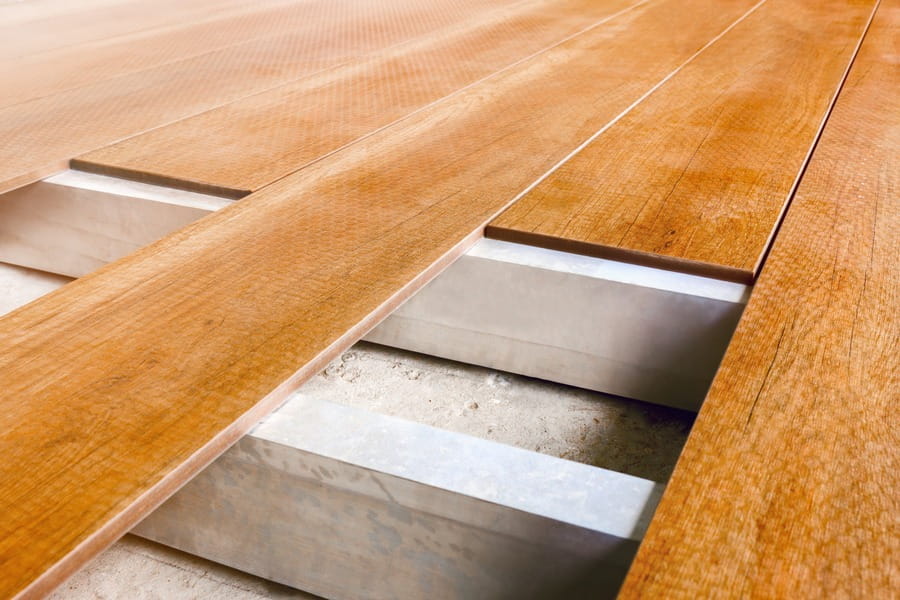
Choosing the right wood for decking is a strategic decision that directly impacts durability, maintenance costs, and long-term aesthetics. Among hardwoods, acacia and teak are often compared for their performance outdoors. Both are dense, naturally resistant species but they serve different priorities.
Short answer: teak offers superior longevity and stability in harsh climates, while acacia stands out as a cost-effective, durable option for projects balancing performance and budget.
Understanding Acacia and Teak: Key Characteristics
Acacia is a fast-growing hardwood species widely sourced from Asia. It is known for its high density (around 700–850 kg/m³) and natural resistance to wear and insects.
Teak, primarily sourced from Southeast Asia and Africa, is considered one of the most premium decking woods. Its density (650–750 kg/m³) combined with natural oils gives it exceptional resistance to moisture and decay.
- Acacia: Dense, hard, affordable, moderate stability
- Teak: Oily, highly stable, premium price, long lifespan
Durability and Lifespan in Outdoor Conditions
Durability is the primary concern for decking materials, especially in environments exposed to humidity, UV rays, and temperature variations.
Teak naturally contains oils that act as a built-in preservative. This allows it to resist rot, fungi, and marine exposure without chemical treatment. Properly installed, teak decking can last 30 to 50 years.
Acacia also performs well outdoors but requires more attention. Its lifespan typically ranges from 15 to 25 years depending on maintenance and climate exposure.
- Teak: Class 1 durability (very durable)
- Acacia: Class 1–2 durability depending on species
For high-end or coastal projects, teak remains the benchmark.
Stability and Resistance to Warping
Dimensional stability determines how wood reacts to moisture changes. This is critical for decking, where expansion and contraction can lead to cracks or deformation.
Teak excels in this area thanks to its tight grain and natural oils. It shows minimal movement, even in humid or variable climates.
Acacia is more reactive. While still suitable for decking, it requires proper installation (ventilation gaps, substructure design) to limit movement.
For professionals specifying materials in demanding environments, teak offers a clear advantage.
Maintenance Requirements
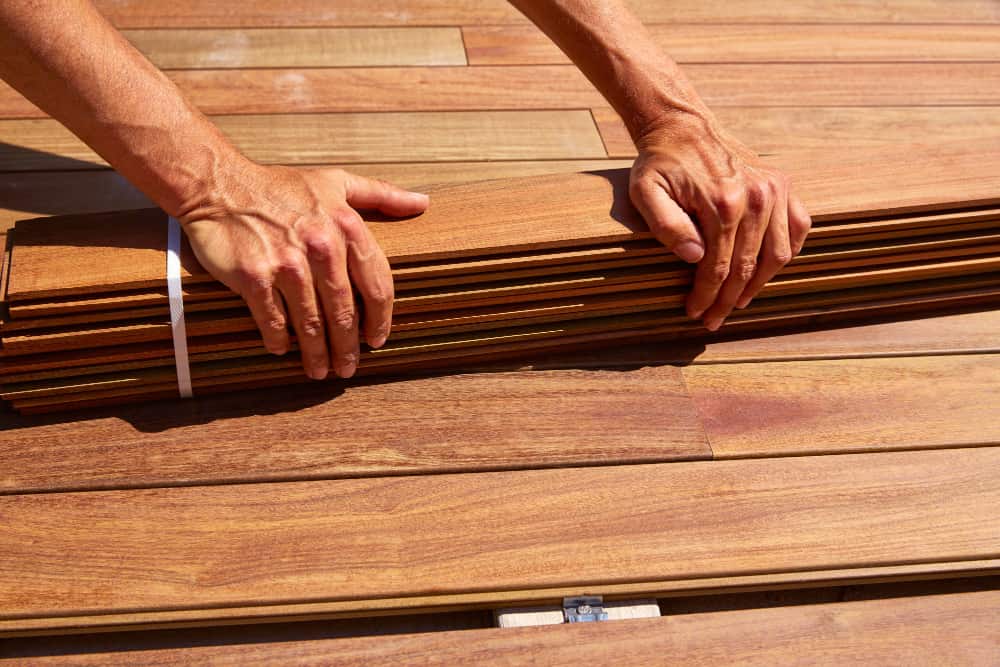
Both woods can be left untreated to develop a silver-grey patina over time. However, maintenance strategies differ significantly.
Teak requires minimal upkeep. Its oils protect it naturally, meaning maintenance is mostly aesthetic (cleaning or oiling if color retention is desired).
Acacia needs more regular care to maintain its appearance and structural integrity. This includes periodic oiling and protection against UV exposure.
- Teak: Low maintenance, optional oiling
- Acacia: Moderate maintenance, regular treatment recommended
Cost and Availability
Budget often drives material selection, especially in large-scale projects.
Acacia is significantly more affordable than teak, making it attractive for projects with cost constraints. It offers a strong performance-to-price ratio.
Teak, on the other hand, is one of the most expensive hardwoods on the market due to its slow growth and high demand.
For professionals sourcing materials such as acacia decking boards, this option provides a balanced solution between durability and investment, especially for residential or mid-range commercial projects.
Aesthetic Appeal and Aging
Visual appearance plays a major role in decking selection.
Teak features a golden-brown color that ages gracefully into a uniform silver-grey. Its grain is typically straight and refined, making it a preferred choice for luxury applications.
Acacia presents more variation in tone, ranging from light brown to reddish hues. Its grain is often more pronounced, giving it a natural and dynamic look.
The choice depends on the desired design language:
- Teak: Premium, uniform, architectural
- Acacia: Warm, natural, textured
Sustainability and Environmental Impact
Sourcing and sustainability are increasingly important in material selection.
Teak can raise concerns if not sourced responsibly, particularly from natural forests. Certified plantation teak (FSC or PEFC) is essential to ensure compliance with environmental standards.
Acacia, being fast-growing, is generally considered a more sustainable option when sourced from managed plantations.
For B2B buyers, traceability and certification should be non-negotiable criteria regardless of the species.
Best Use Cases: When to Choose Each Wood
Choose teak if:
- The project requires maximum lifespan
- Exposure to moisture or marine environments is high
- Budget allows for premium materials
Choose acacia if:
- Cost-efficiency is a priority
- The project is residential or moderate-use
- Regular maintenance is acceptable
Questions fréquentes
Is teak always better than acacia for decking?
Short answer: No, it depends on the project.
Teak is more durable and stable, but acacia offers excellent value for many applications where budget matters.
Does acacia decking require treatment?
Short answer: Yes, for optimal longevity.
Regular oiling and protection help prevent cracking, fading, and moisture-related damage.
Which wood lasts longer outdoors?
Short answer: Teak.
Its natural oils make it highly resistant to rot and weathering, extending its lifespan significantly.
Conclusion
Teak leads in performance, acacia wins in value.
In professional decking projects, the choice between acacia and teak should align with environmental conditions, budget constraints, and lifecycle expectations. Teak remains the reference for longevity and stability, while acacia provides a reliable and accessible alternative when properly specified and maintained.
Sources
- FAO
- Forest Stewardship Council
- CIRAD
- European Timber Trade Federation