
Every month your rent check vanishes into thin air. You wonder if you are just paying off your landlord‘s mortgage. Deciding whether to buy or should you keep renting is a huge life choice. Is it time to buy or stay put this year? Let us figure it out together.
Navigating the Realities of Today’s Housing Market
Today’s housing market looks very different now. High prices and tight inventory create unique challenges everywhere. You need a solid strategy before making any move, including learning how to identify structural property issues by checking red flags during a home inspection to protect your investment.
Surging mortgage rates alter your purchasing power instantly. High rates mean smaller loans for the same budget. This reality forces many shoppers to rethink their timing.
Local market conditions vary wildly across different neighborhoods. One city might cool down while another stays hot. Check local price ratios to see where value sits.
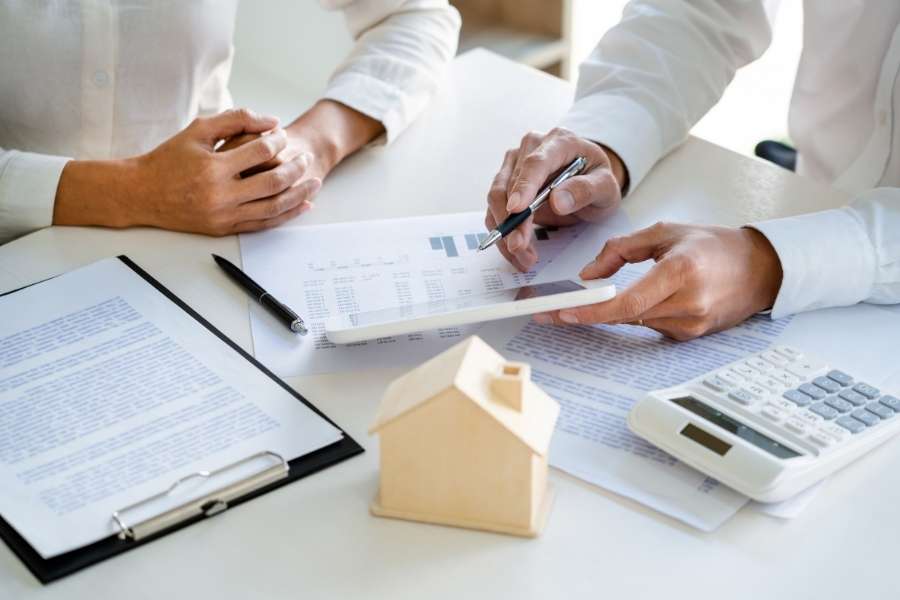
Evaluating the Total Financial Equation: Renting Versus Buying
Comparing renting versus buying requires looking beyond basic numbers. A mortgage note carries costs that rent checks simply cover. You must balance current cash flow against future value, especially when preparing for relocation expenses and executing a smooth transition using a guide to residential moving.
When you rent, your monthly payment is your absolute ceiling. The owner handles broken pipes and leaking roofs completely. You get predictable costs without taking on sudden repair debts.
Homeowners face expenses that standard rent prices easily ignore. Taxes, insurance, and maintenance add up quickly every year. Expect to budget extra funds for ongoing upkeep projects.
- Upfront Costs: Buyers need down payments and closing fees upfront. Renters usually pay deposits and first month’s rent.
- Flexibility: Renters can move easily after a short lease ends. Selling a home takes time and costs real money.
- Surprise Expenses: Owners pay for unexpected home repairs directly. Renters let property management handle big property fixes.
- Opportunity Cost: Cash tied up in real estate cannot grow elsewhere. You could invest those funds into liquid stocks instead.
To see the real gap, look at this simple breakdown. It compares average yearly costs for both living options clearly.
Knowing is it better to rent or buy a home depends on total numbers. Never rely solely on base monthly loan figures. Always count taxes, insurance, and repairs into your plan.
Calculating the overall picture protects your wallet from bad surprises. Take time to list every potential housing bill today. Smart planning helps you avoid costly housing mistakes later.
Assessing Your Financial Readiness and Capital Reserves
Before deciding if you should buy or should you keep renting, check your savings. Entering real estate without cash reserves creates instant stress. Your balance sheet needs to be completely healthy first.
High personal debt makes homeownership much harder to handle. Focus on clearing credit cards before applying for loans. Lower debt ratios give you more overall breathing room.
Building up strong down payment savings takes time and patience. Larger down payments reduce monthly loan costs right away. Extra cash reserves protect you during sudden job changes.
Do not drain every penny to buy a house. Keep an emergency cushion for real life events. Safe buyers keep liquid funds available at all times.
Weighing Equity Building Against Long-Term Lifestyle Flexibility
Long-term equity building is the main reason people buy. Each monthly payment reduces loan debt over time. You build real net worth as property values rise.
Yet, home equity gains require time to actually happen. Selling within a few years often loses money overall. High transaction fees easily wipe out short-term market gains.
Understanding how to know when to stop renting means checking your timeline. Staying in one place for years favors home buyers. Moving often makes renting the smarter financial choice overall.
Weighing the financial pros and cons of renting vs buying is personal. Ownership brings freedom to renovate and settled long-term roots. Renting brings geographic freedom and zero property repair stress.
Consider your career goals before signing any property deal. If job changes are coming, hold off on buying. Flexibility is often worth more than home ownership early on.
Think about your personal family needs over five years. Extra space matters, but mobility might matter even more. Choose the option that fits your current life stage.
FAQ
How much money should I have saved in cash before considering buying a home?
Beyond your down payment (which typically ranges from 3.5% to 20% of the purchase price), you should have an extra 2% to 5% reserved for closing costs, plus a dedicated emergency fund covering 3 to 6 months of total living expenses. Having this buffer ensures you won’t be left cash-strapped after closing.
Does renting really mean I am wasting money every month?
No, renting is not throwing money away; it is paying for a necessary service (shelter) and ultimate flexibility without taking on asset risk, maintenance costs, or market depreciation. Renting allows you to invest surplus capital into other wealth-building assets like stocks or index funds.
How do higher interest rates affect my decision to buy or continue renting?
Higher interest rates directly increase your monthly borrowing costs, which lowers the total home value you can afford. When rates are high, renting often becomes significantly cheaper on a monthly cash-flow basis, allowing you time to save more capital until conditions stabilize.
How long do I need to live in a house for buying to make financial sense over renting?
Generally, you should plan to stay in a home for at least 5 to 7 years to break even on the transaction costs of buying and selling, such as agent commissions, title fees, and closing costs. If you plan to move sooner, renting is usually the safer choice.
There is no single correct choice for every single person. Look at your savings, your job, and your plans. Pick the housing path that feels right for you today.